
Common Mistakes When Using Online Car Valuation Tools and How to Avoid Them
Most vehicle owners rely on automated estimates for their car's worth, but these numbers often fail to reflect reality. According to industry data, automated valuation models can deviate significantly from actual market prices, leaving sellers and claimants with inaccurate figures. This discrepancy occurs because algorithms cannot fully account for local market nuances, vehicle condition, or recent comparable sales. Understanding these limitations is critical for anyone looking to sell, insure, or claim value for a vehicle. By recognizing the specific pitfalls of digital valuation tools, you can protect your financial interests and ensure you receive fair compensation.
Ignoring Local Market Variations
One of the most frequent errors users make is assuming that national pricing data applies uniformly across all regions. Online tools often pull from broad datasets that may not reflect the supply and demand dynamics of your specific city or state. For instance, a four-wheel-drive vehicle might command a premium in snowy regions but hold less value in areas with mild climates. This geographic disparity means that a generic estimate can be misleadingly high or low for your local market.
To avoid this mistake, you must contextualize the online estimate with local knowledge. Check local classifieds and dealership listings in your immediate area to see what similar vehicles are actually selling for. This manual verification step bridges the gap between algorithmic averages and real-world transaction prices. It ensures that your valuation aligns with what buyers in your region are willing to pay right now.
Overlooking Vehicle Condition Details
Automated valuation tools rely heavily on the data you input, and even minor inaccuracies can skew the result. Users often select "excellent" condition when their vehicle has minor cosmetic flaws or mechanical quirks. Conversely, some may undervalue their car by selecting "poor" condition when it is actually in good shape. These subjective assessments lack the precision of a professional inspection, leading to significant valuation errors.
Condition accuracy is the cornerstone of any reliable valuation. Be brutally honest when inputting data. If the car has a new transmission, list it. If the paint has been repainted due to an accident, disclose it. The more granular the details you provide, the closer the algorithm can get to a realistic number. However, remember that algorithms still struggle to quantify the impact of recent maintenance or aftermarket upgrades accurately.
Confusing Estimates with Appraisals
A critical distinction that many drivers miss is the difference between an automated estimate and a certified appraisal. An online tool provides a rough guess based on public data, while an appraisal is a formal document often required for insurance claims, legal disputes, or high-value transactions. Estimates are useful for quick reference, but they lack the legal weight and depth of analysis found in professional reports.
When dealing with insurance companies or legal matters, relying solely on an online estimate can be costly. Insurers may use their own proprietary algorithms, which often result in lower payouts. To counter this, you need a defensible document that stands up to scrutiny. A professional diminished value report provides the necessary evidence to challenge lowball offers and ensure you are fully indemnified for your loss.
Neglecting Diminished Value Factors
Even after a vehicle is perfectly repaired following an accident, its market value often drops. This phenomenon is known as diminished value. Many online valuation tools do not account for this loss because they focus on the current state of the car rather than its history. If you are filing a claim, ignoring this factor means you are leaving money on the table.
Diminished value is the reduction in a vehicle's market value after it has been damaged and repaired. This loss is real and recoverable in many jurisdictions. To avoid this mistake, you must proactively seek a comprehensive valuation report that includes a diminished value assessment. These reports use verified comparable sales to calculate the exact financial impact of the accident history on your car's worth.
Relying on a Single Source
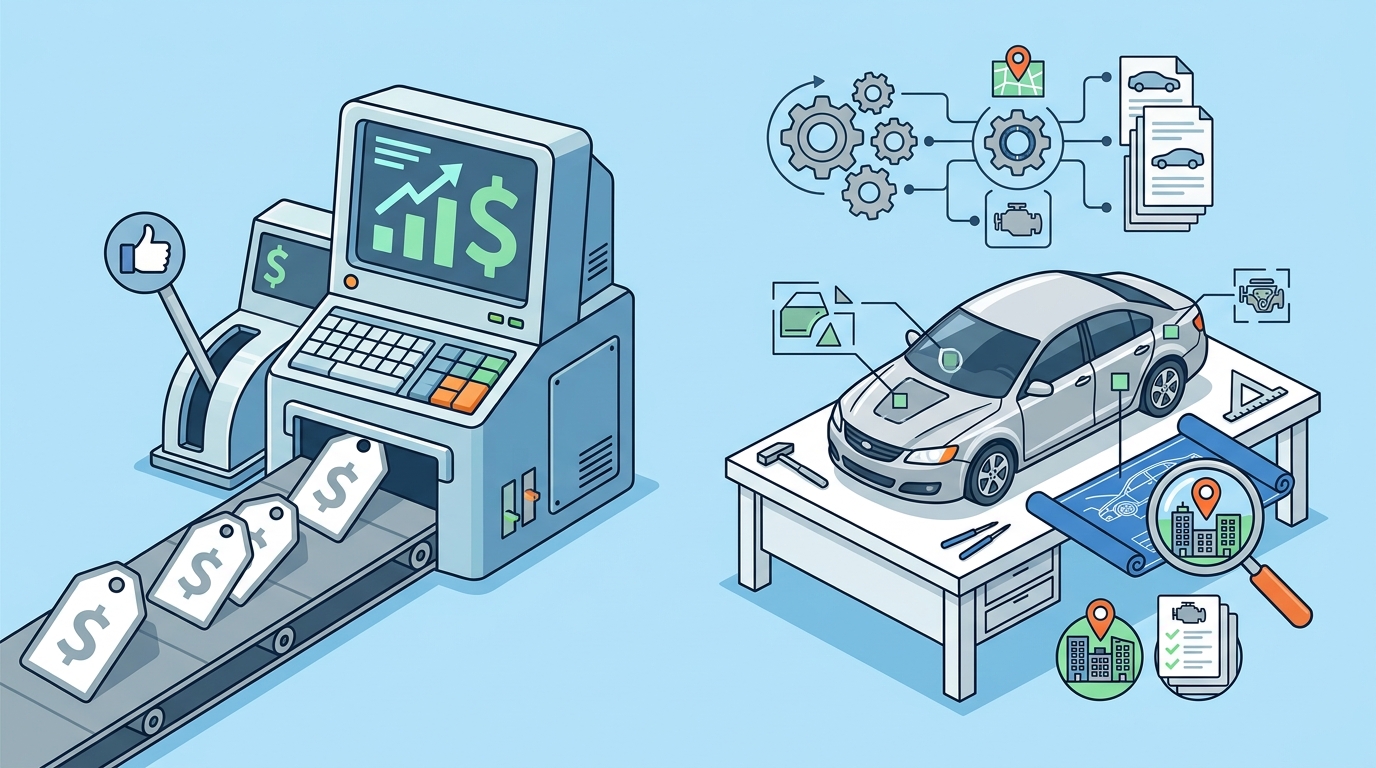
Another common pitfall is trusting a single online tool as the absolute truth. Different platforms use different algorithms, data sources, and update frequencies. One tool might value your car at $25,000 while another lists it at $22,000. This variance creates confusion and can lead to poor decision-making if you do not understand why the numbers differ.
Instead of relying on one source, use multiple tools to establish a range. Look for the consensus among several reputable platforms. If one tool is significantly higher or lower than the others, investigate why. This comparative approach helps you identify outliers and gives you a more balanced view of your vehicle's market position. It also prepares you for negotiations by giving you a wider array of data points to reference.
Failing to Verify Comparable Sales
The most accurate valuations are based on actual sales data, not just asking prices. Many online tools display what sellers are asking for their cars, which is often higher than what they actually receive. Buyers rarely pay the full asking price, so using asking prices as a benchmark can lead to unrealistic expectations.
To avoid this, you must verify the data by looking at closed sales records. Vehicle Value Analysis specializes in providing reports based on real comparable sales, not just estimates. These reports show you what buyers have actually paid for similar vehicles in your area. By grounding your valuation in transaction data rather than listing data, you gain a powerful advantage in negotiations and claims.
Summary of Valuation Options
| Valuation Type | Accuracy Level | Best Use Case | Key Feature |
|---|---|---|---|
| Online Estimate | Low to Medium | Quick reference | Instant results |
| Dealer Offer | Medium | Selling quickly | Immediate cash |
| Diminished Value Report | High | Insurance claims | Verified comps |
| Professional Appraisal | Very High | Legal disputes | Certified document |
Key Takeaways
- Online tools often miss local market nuances, leading to inaccurate pricing for your specific region.
- Subjective condition inputs can skew results, so be precise and honest when detailing your vehicle's state.
- Automated estimates are not legal documents and should not be used for insurance claims or disputes.
- Diminished value is a real financial loss that standard valuation tools frequently ignore.
- Using multiple valuation sources helps establish a realistic price range and identifies outliers.
- Verified comparable sales provide a more accurate picture of market value than asking prices.
- Professional reports from Vehicle Value Analysis offer defensible data for high-stakes situations.
Frequently Asked Questions
Why do online car valuation tools give different prices?
Different tools use different algorithms, data sources, and update frequencies. Some rely on asking prices, while others use closed sales data. This variation leads to different estimates for the same vehicle.
Can I use an online estimate for an insurance claim?
While you can use it as a starting point, insurance companies often prefer professional appraisals. An online estimate lacks the legal weight and detailed analysis required to challenge a lowball offer effectively.
What is diminished value and why does it matter?
Diminished value is the loss in market value after a car is repaired from an accident. It matters because it represents real financial loss that you may be entitled to recover from the at-fault party or their insurer.
How accurate are online car valuation tools?
They provide a rough estimate but are not highly accurate for specific transactions. They often fail to account for local market conditions, recent maintenance, or the impact of accident history on value.
What is the difference between a Silver Report and a Gold Report?
A Silver Report provides a basic market value estimate, while a Gold Report offers a more comprehensive analysis including diminished value assessments and verified comparable sales data for stronger negotiation power.
Do I need a professional appraisal for a total loss claim?
It is highly recommended. A professional appraisal provides the documented evidence needed to ensure you receive fair compensation for your vehicle's pre-accident value, which insurers may otherwise undervalue.
Get Your Accurate Vehicle Valuation Today
Stop guessing your car's worth and start with data that stands up to scrutiny. Whether you are facing an insurance dispute, selling your vehicle, or handling a legal case, accurate valuation is essential. Visit Vehicle Value Analysis to get your free Silver Report or explore our comprehensive Gold and Platinum reports for maximum protection. Secure your fair market value today.