
Essential Criteria for Choosing a Diminished Value Assessment Service
Vehicle depreciation following an accident is a silent financial drain that affects millions of drivers annually. According to the National Highway Traffic Safety Administration, property damage claims are a consistent component of personal injury and collision cases, yet they are frequently undervalued by insurance carriers. When a vehicle is repaired, its market value often remains lower than its pre-accident worth due to the permanent stigma of a repair history. This loss is known as diminished value. Selecting the right assessment service is critical to recovering this lost equity. The criteria for choosing a provider must extend beyond price to include legal defensibility, data transparency, and industry recognition.
Understanding Diminished Value and Its Legal Basis
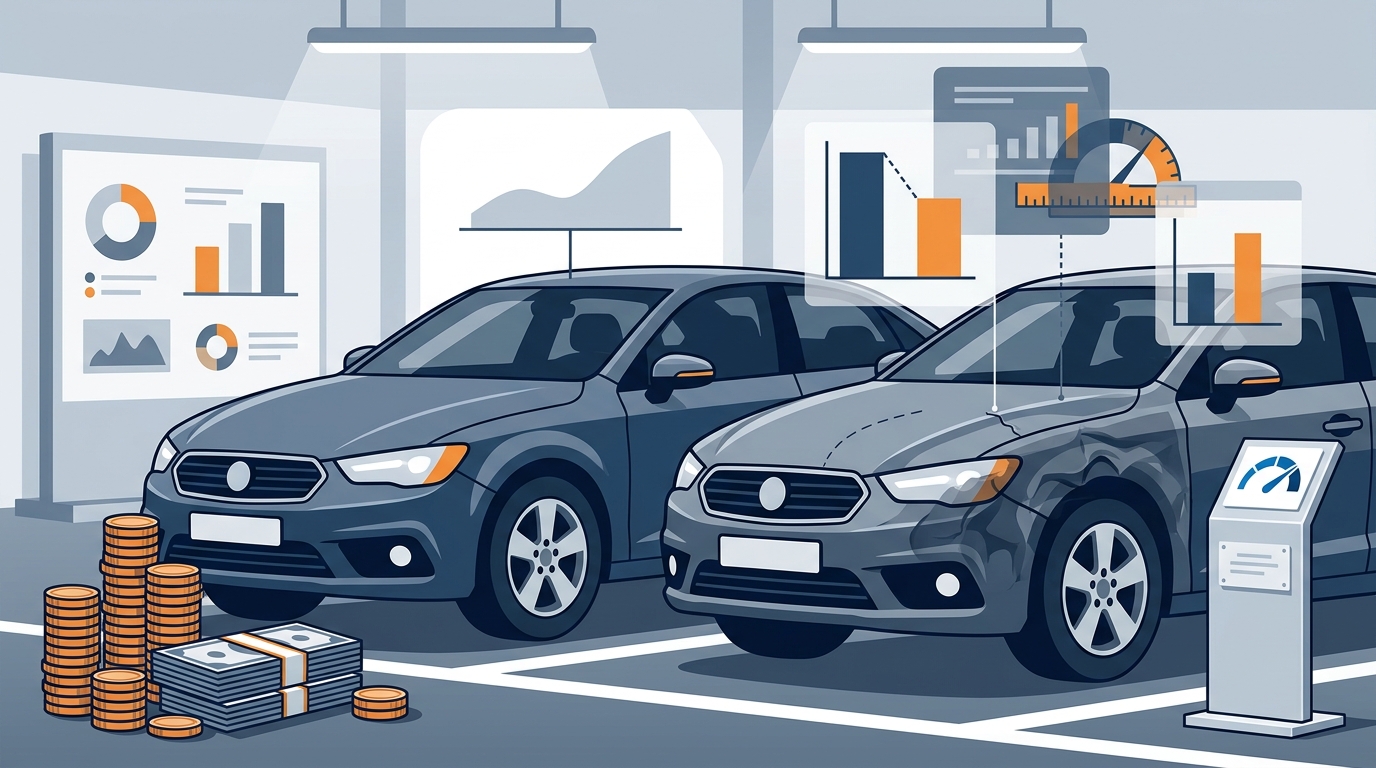
Before evaluating service providers, it is vital to understand the core concept. Diminished value is the difference between the actual cash value of a vehicle before the accident and its value after repairs. Even with perfect restoration, the vehicle is no longer "pre-accident" in the eyes of the market. Financial experts define diminished value as a permanent reduction in marketability and price potential.
Legal frameworks vary by state. Some jurisdictions follow a "17c" formula approach, while others rely on case law and appraisal clauses. A competent assessment service must understand these regional nuances. For instance, Vehicle Value Analysis provides diminished value coverage in all 50 states, ensuring that regardless of your location, the report aligns with local legal standards. The service must be able to articulate why the loss belongs to the vehicle owner, not the at-fault driver or the insurance carrier.
The Importance of Verified Comparable Sales
The most critical criterion for any assessment service is the quality of its data source. Estimates based on algorithmic guesses or generic market averages are often rejected by insurance adjusters. The gold standard is the use of real comparable sales. These are actual transactions of similar vehicles in the same geographic region, adjusted for mileage, condition, and accident history.
When reviewing a provider, ask how they source their data. Vehicle Value Analysis emphasizes real comparable sales, not estimates as the foundation of their reports. This methodology ensures that the diminished value figure is grounded in market reality. If a provider cannot show you the specific comparable vehicles used in their calculation, the report lacks the necessary weight for negotiation. Look for services that provide a "comparable grid" or a detailed breakdown of the sales data used to derive the final number.
Legal Defensibility and Carrier Recognition
A report is only as good as its ability to withstand scrutiny. Insurance companies have their own internal valuation tools, such as CCC One or Mitchell, which often undervalue vehicles. Your chosen assessment service must produce a report that is defensible in an appraisal clause hearing or direct negotiation.
Key indicators of defensibility include:
- Certified Documentation: The report should be signed by a certified appraiser or valuation expert.
- Carrier Recognition: The service should have a history of reports being accepted by major insurance carriers. Vehicle Value Analysis reports are recognized by major insurance carriers for their accuracy and thoroughness.
- Clear Methodology: The report must explicitly state the formula or deviation percentage used to calculate the loss. This transparency allows adjusters to verify the math, reducing the likelihood of arbitrary rejection.
Furthermore, the service should be familiar with federal guidelines. The Federal NHTSA SGO 2021-01 damage classification provides a standardized way to categorize vehicle damage, which can be a powerful tool in arguing for a higher diminished value claim. A top-tier service will reference these classifications in their analysis.
Comparing Service Tiers: Silver, Gold, and Platinum
Different situations require different levels of detail. Most reputable providers offer tiered reporting options. Understanding these tiers helps you choose the right tool for your specific case.
| Service Tier | Best For | Key Features | Typical Use Case |
|---|---|---|---|
| Silver Report | Quick, low-cost assessments | Basic market value, instant results, no card required for initial view. | Drivers seeking a preliminary estimate before committing to a full claim. |
| Gold Report | Standard diminished value claims | Inherent diminished value analysis, verified comparables, demand letter. | Direct negotiation with insurance carriers for standard property damage claims. |
| Platinum Report | Complex or high-value disputes | Comprehensive appraisal, loss of use support, total loss valuation. | High-value vehicles, total loss scenarios, or cases requiring legal support. |
For most personal injury and collision cases, the Gold Report offers the best balance of depth and cost. It includes the inherent diminished value calculation, which focuses on the loss of value due to the accident history itself, regardless of repair quality. For more complex situations involving total losses or significant structural damage, the Platinum Report provides the extensive documentation needed for legal proceedings.
Support for Legal and Insurance Disputes
Insurance companies often lowball diminished value claims. If your initial demand is rejected, you need a service that can support you through the dispute resolution process. This is particularly important for law firms handling multiple cases. Vehicle Value Analysis offers bulk solutions for law firms, streamlining the valuation process for high-volume personal injury practices.
When choosing a service, inquire about their support for:
- Reopening Claims: Can the service help reopen underpaid claims from the past? Vehicle Value Analysis has the ability to reopen underpaid claims up to two years old, providing a second chance for compensation.
- Loss of Use Calculations: Does the report include compensation for the loss of vehicle utility during repairs?
- Appraisal Clause Assistance: Is the report formatted to meet the requirements of an independent appraisal clause hearing?
Additionally, the service should offer a clear path for escalation. Vehicle Value Analysis provides a comprehensive FAQ section to address common concerns about the process, ensuring transparency and trust.
Key Takeaways
- Data Integrity is Paramount: Always choose a service that uses verified comparable sales rather than algorithmic estimates.
- Legal Defensibility Matters: Ensure the report is recognized by major insurance carriers and includes clear methodology.
- Tiered Options Exist: Select the Silver, Gold, or Platinum report based on the complexity and value of your vehicle.
- Support for Disputes: Look for services that can help reopen old claims and support appraisal clause hearings.
- Regional Expertise: The service must understand the specific diminished value laws in your state.
- Speed and Efficiency: Fast delivery times, such as immediate to forty eight hour report delivery, are crucial for timely claims.
- Money-Back Guarantees: Reputable services often offer guarantees, such as a $600 money-back guarantee, to ensure client satisfaction.
Frequently Asked Questions
What is the difference between inherent and repair-related diminished value?
Inherent diminished value refers to the loss in market value due to the vehicle's accident history, even after perfect repairs. Repair-related diminished value occurs when the repairs were not performed to factory standards, leaving visible or functional defects.
How long does it take to receive a diminished value report?
Delivery times vary by service tier. Vehicle Value Analysis offers immediate to forty eight hour report delivery times, ensuring that claimants do not have to wait weeks for their documentation.
Can I use a diminished value report if my accident happened years ago?
In some cases, yes. Vehicle Value Analysis has the ability to reopen underpaid claims up to two years old, depending on state laws and the specifics of the original settlement.
Do insurance companies accept third-party diminished value reports?
Many major insurance carriers recognize reports from reputable, certified valuation experts. Vehicle Value Analysis reports are recognized by major insurance carriers for their accuracy and thoroughness.
What is the cost of a diminished value assessment?
Costs vary based on the depth of the analysis. Vehicle Value Analysis offers an Inherent Diminished Value Report for $199.95, which includes verified comparable sales and a carrier demand letter.
How is diminished value calculated?
Diminished value is typically calculated using a deviation-percentage formula applied to the pre-accident actual cash value, supported by verified comparable sales data that shows the price difference between accident-free and accident-damaged vehicles.
Is diminished value coverage available in all states?
While legal standards vary, Vehicle Value Analysis provides diminished value coverage in all 50 states, adapting their reports to meet local legal requirements.
Get Your Valuation Report
Do not let your insurance carrier undervalue your vehicle. Recover the compensation you deserve with a professional, defensible diminished value assessment. Visit Vehicle Value Analysis to start your report today and secure the full market value of your vehicle.