
Establishing a defensible vehicle valuation is not merely about guessing a market price. It requires a rigorous, evidence-based methodology that withstands scrutiny from insurance adjusters, legal counsel, and opposing experts. According to industry data, Vehicle Value Analysis has processed reports for over 10,000 vehicle owners, highlighting the critical need for accurate, comparable sales data rather than algorithmic estimates. In high-stakes personal injury and property damage claims, the difference between a fair settlement and an underpaid claim often hinges on the quality of the valuation evidence presented.
The Primacy of Real Comparable Sales
The foundation of any defensible vehicle valuation is the use of real, verified comparable sales. Many insurers rely on proprietary algorithms or generic market guides that fail to capture the nuance of local market conditions. These black-box formulas often result in significant underpayments for policyholders and claimants.
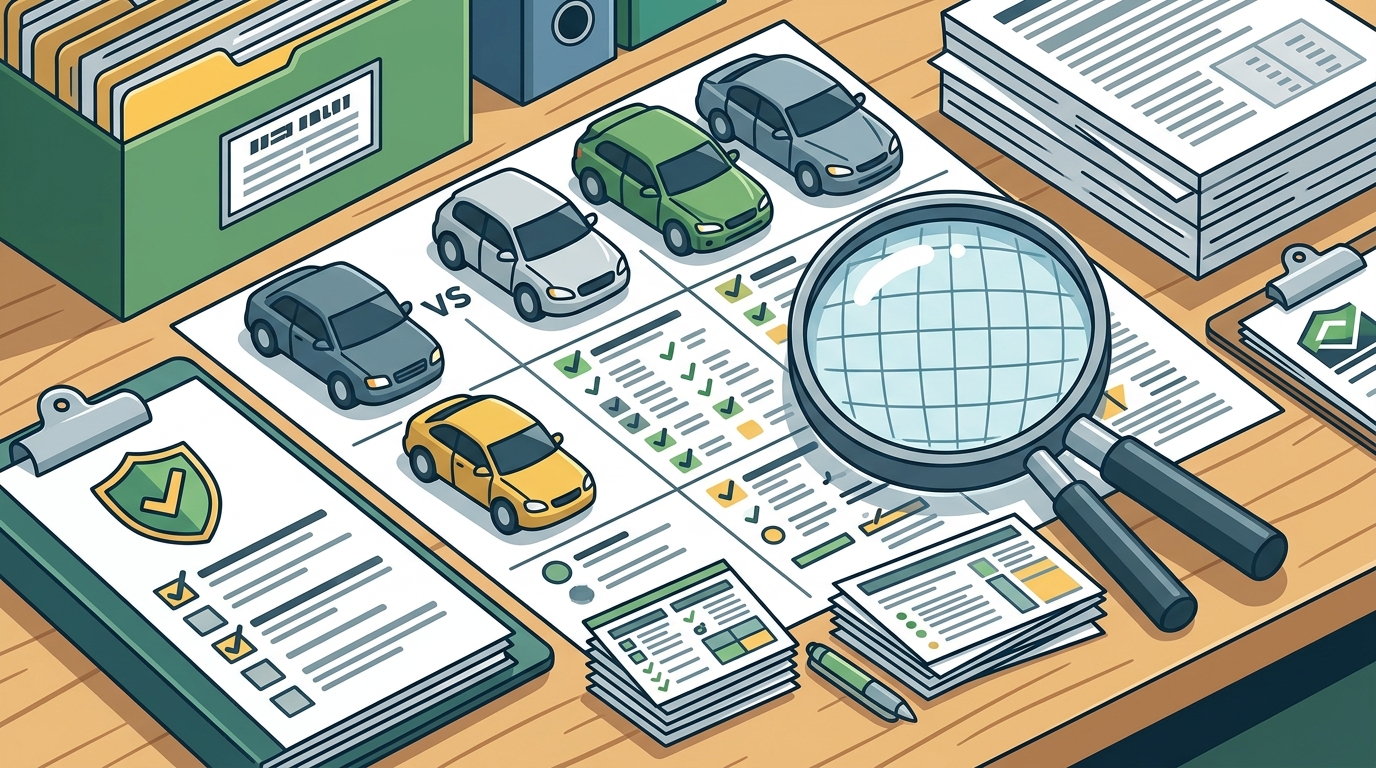
A defensible valuation must utilize a grid of verified comparable sales. This involves identifying vehicles that are similar in make, model, year, mileage, condition, and geographic location to the subject vehicle. The data must be sourced from actual transactions, not asking prices, to ensure accuracy. Vehicle Value Analysis specializes in providing these verified comparable sales grids, ensuring that every dollar of value is backed by hard market data.
When comparing vehicles, adjusters must account for specific options, packages, and wear-and-tear. A vehicle with a premium sound system or advanced driver-assistance features will command a different value than a base model. Ignoring these details leads to inaccurate valuations. By focusing on real transactions, we eliminate the guesswork and provide a clear, undeniable picture of the vehicle's worth.
Defensible Valuation Methodologies
Building a defensible valuation requires adherence to established appraisal methodologies. These methods provide a standardized framework for determining value, ensuring consistency and fairness across different cases. The two primary methodologies used in property damage and total loss scenarios are the Cost Approach and the Sales Comparison Approach.
The Sales Comparison Approach is the most widely accepted method for valuing vehicles in the aftermarket. It relies on the principle of substitution, where a buyer will not pay more for a vehicle than the cost of acquiring an equally desirable substitute. This approach is particularly effective for determining Actual Cash Value (ACV) in total loss scenarios.
The Cost Approach is often used for unique or specialized vehicles. It calculates value by taking the replacement cost of a new vehicle and subtracting depreciation. However, this method is less common for standard passenger vehicles because it does not account for market demand fluctuations. Understanding when to apply each methodology is crucial for a defensible valuation.
Another critical component is the analysis of repairability. Determining whether a vehicle should be repaired or totaled requires a detailed assessment of repair costs versus the vehicle's pre-loss value. This determination impacts the entire claim trajectory. Bulk Solutions for Law Firms provide the necessary tools to analyze these complex scenarios efficiently.
Quantifying Inherent Diminished Value
Even after perfect repairs, a vehicle's market value often drops due to its accident history. This loss is known as Inherent Diminished Value (IDV). Quantifying IDV is a complex task that requires specialized expertise and defensible calculation methods. It is not enough to simply state that the value has dropped; one must prove the extent of the loss.
Inherent Diminished Value is the reduction in market value that remains after a vehicle has been repaired to pre-loss condition. This concept is rooted in the reality that consumers are willing to pay less for a vehicle with a known accident history, regardless of the quality of repairs. The stigma of an accident record persists in the marketplace.
Calculating IDV involves applying a deviation-percentage formula to the pre-loss Actual Cash Value. This formula considers factors such as the severity of the damage, the extent of repairs, and the vehicle's age and mileage. The result is a specific dollar amount that represents the financial loss suffered by the owner. Inherent Diminished Value Reports provide the detailed documentation needed to support these claims.
Recovering diminished value is often a contentious issue. Insurance carriers may resist paying for IDV, arguing that repairs restore the vehicle's value. However, legal precedents and market data consistently support the existence of this loss. A defensible valuation must include a clear, data-backed argument for IDV to ensure full indemnification for the claimant.
Legal Standards and Federal Guidelines
A defensible valuation must align with legal standards and federal guidelines. These frameworks provide the authority and structure for valuation disputes and litigation. Understanding these standards is essential for attorneys and claimants alike.
Federal guidelines, such as the National Highway Traffic Safety Administration (NHTSA) Special General Order (SGO), play a significant role in vehicle damage classification. These orders help determine when a vehicle should be considered a total loss based on repair costs relative to its value. Compliance with these guidelines ensures that the valuation process is legally sound.
State-specific laws also govern diminished value claims. Some states have specific statutes or case law that define how diminished value should be calculated and recovered. For example, diminished value coverage in all 50 states varies in terms of eligibility and calculation methods. Navigating these legal landscapes requires expert knowledge and precise documentation.
Reports that are recognized by major insurance carriers carry significant weight in negotiations. These reports are often prepared by certified appraisers who adhere to strict professional standards. Using such reports can streamline the claims process and reduce the likelihood of disputes. Vehicle Value Analysis provides reports that meet these high standards of professionalism and accuracy.
Components of a Professional Report
A professional valuation report is more than just a number. It is a comprehensive document that tells the story of the vehicle's value. It must include all relevant data, methodologies, and conclusions to be considered defensible. The structure of the report is critical for clarity and persuasiveness.
A comprehensive Actual Cash Value Report establishes the true pre-loss value of the vehicle. It includes a detailed description of the vehicle, verified comparable sales, and the final valuation figure. This report serves as the baseline for all subsequent calculations, including diminished value and loss of use.
A Total Loss Valuation Report provides accurate valuations for challenging insurer assessments. It is particularly useful in negotiations where the insurer's offer is significantly lower than the market value. This report includes a detailed analysis of the vehicle's condition and market position, providing a strong basis for counter-offers.
A Diminished Value Assessment offers professional calculations showing the reduction in market value after repairs. It includes a breakdown of the calculation methodology and supporting data. This assessment is essential for claimants seeking to recover the full financial impact of the accident. Gold Report options provide enhanced detail for complex cases.
| Report Type | Primary Purpose | Key Components | Target Audience |
|---|---|---|---|
| Actual Cash Value Report | Establish pre-loss value | Vehicle description, comparable sales, valuation | Policyholders, Attorneys |
| Diminished Value Report | Quantify post-repair loss | Deviation formula, market data, demand letter | Claimants, Insurers |
| Total Loss Valuation Report | Negotiate settlement | Repairability analysis, market position | Insurance Adjusters |
| Loss of Use Report | Calculate rental reimbursement | Rental rates, duration analysis | Claimants |
Key Takeaways
- Verified Data is Critical: Real comparable sales provide a defensible foundation that algorithmic estimates cannot match.
- Methodology Matters: Adhering to established appraisal standards ensures consistency and legal validity.
- Diminished Value is Real: Inherent diminished value persists even after perfect repairs and must be quantified.
- Legal Alignment: Reports must align with federal guidelines and state-specific laws to be effective in litigation.
- Comprehensive Reporting: Professional reports include detailed documentation, demand letters, and clear methodologies.
- Expert Support: Utilizing specialized valuation services can significantly improve claim outcomes for law firms.
- Timely Action: Fast report delivery, often within 48 hours, is essential for effective claim management.
Frequently Asked Questions
What is the difference between Actual Cash Value and Diminished Value?
Actual Cash Value (ACV) is the fair market value of the vehicle immediately before the loss occurred. Diminished Value is the loss in market value that remains after the vehicle has been repaired. ACV is used for total loss settlements, while Diminished Value is claimed when a vehicle is repaired.
How is Inherent Diminished Value calculated?
Inherent Diminished Value is typically calculated using a deviation-percentage formula applied to the pre-loss Actual Cash Value. This formula considers factors such as damage severity, repair extent, and vehicle age. The result is a specific dollar amount representing the financial loss.
Can I recover diminished value if my insurance company denies the claim?
Yes, you may be able to recover diminished value even if the initial claim is denied. This often involves using the appraisal clause in your policy or negotiating directly with the at-fault carrier. A professional diminished value report provides the necessary evidence to support your claim.
What is the role of comparable sales in vehicle valuation?
Comparable sales provide the market data needed to determine a vehicle's value. By analyzing recent transactions of similar vehicles, appraisers can establish a defensible value range. This data is crucial for challenging low insurance offers and ensuring fair compensation.
How long does it take to receive a valuation report?
Valuation reports can be delivered rapidly, often within 48 hours. This fast turnaround is essential for managing active claims and meeting legal deadlines. Vehicle Value Analysis offers expedited services to support high-volume law firms.
Are diminished value reports recognized by insurance companies?
Reports prepared by certified appraisers using verified data are widely recognized by major insurance carriers. These reports provide a professional, unbiased assessment that can facilitate negotiations and reduce disputes. Using such reports can streamline the claims process.
What is the "WHO OWES WHAT" portal?
The "WHO OWES WHAT" portal is a centralized platform for managing property damage work. It allows law firms to access reports, track cases, and communicate with clients efficiently. This tool simplifies the management of dozens or hundreds of files.
Secure Your Valuation
Building a defensible vehicle valuation is essential for achieving fair outcomes in property damage and personal injury claims. By leveraging verified comparable sales, adhering to established methodologies, and utilizing professional reporting tools, you can ensure that every client receives the compensation they deserve. Vehicle Value Analysis provides the expertise and resources needed to support your practice. Explore our bulk solutions today to streamline your operations and improve client satisfaction.