
Cost-Benefit Analysis of Vehicle Valuation Reports for Used Car Purchases
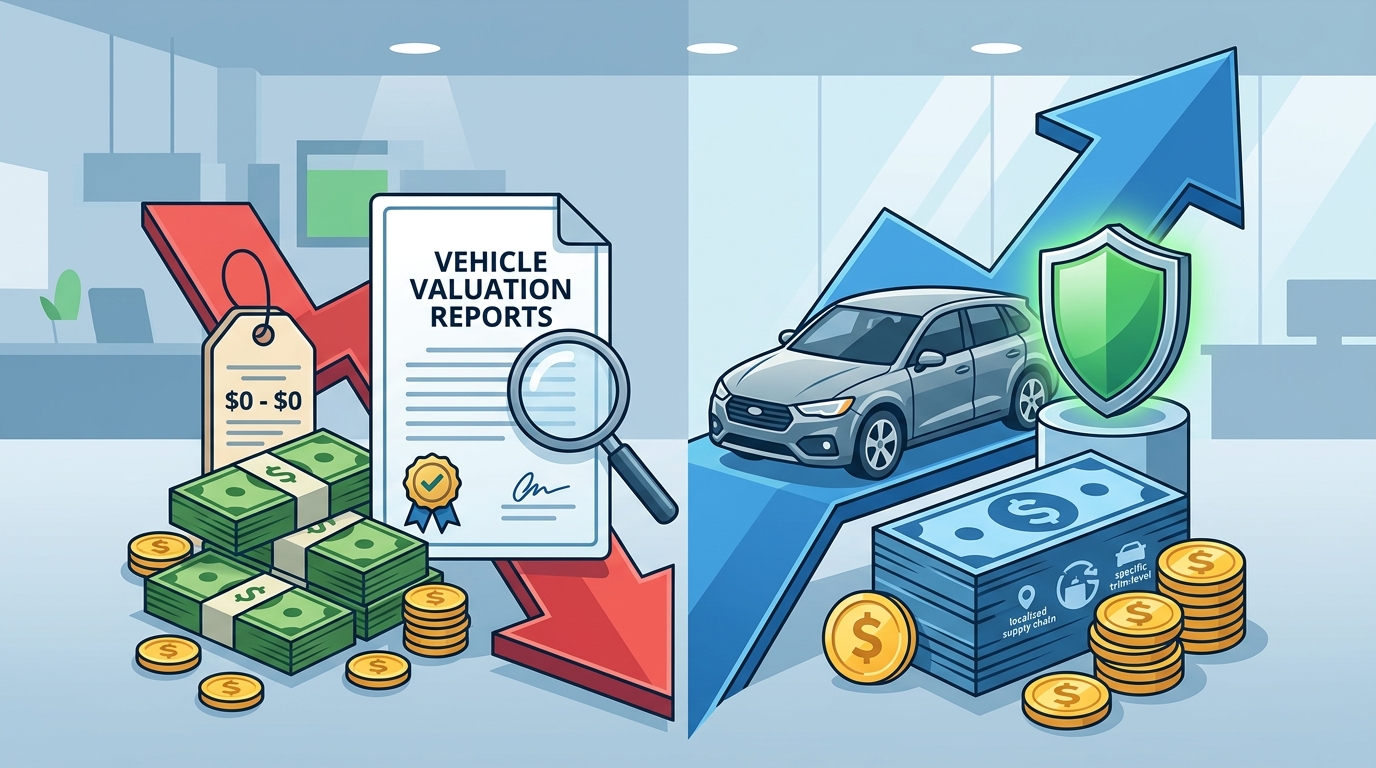
Buying a used vehicle is one of the most significant financial transactions an individual will undertake, yet it is frequently executed with incomplete data. According to recent industry analyses, the average used car buyer overpays by approximately 10 to 15 percent due to a lack of transparent market comparables and reliance on generic estimator tools. This financial leakage occurs because standard online calculators often fail to account for localized supply chain fluctuations, specific trim-level demand, or the subtle depreciation curves that affect high-mileage vehicles. By integrating professional vehicle valuation reports into your purchasing workflow, you shift from a reactive buyer to an informed negotiator. This guide provides a rigorous cost-benefit analysis of utilizing these specialized tools to protect your capital and secure fair market value. (Vehicle Valuation Services for)
Understanding Valuation Report Types
Before conducting a financial analysis, it is essential to define the specific outputs available in the modern vehicle valuation ecosystem. Not all reports serve the same purpose, and selecting the wrong tier can lead to wasted expenditure or insufficient data for negotiation. (Real Comparable Sales Not)
Actual Cash Value (ACV) Reports are designed to establish the true pre-loss value of a vehicle. This metric is critical for understanding what a fair market price should be before any damage or wear is factored in. It serves as the baseline for all subsequent financial calculations. (Finance Solutions Lender Protect)
Diminished Value Reports quantify the loss in market value that persists even after a vehicle has been perfectly repaired following an accident. While primarily used in insurance claims, this data is equally valuable for used car buyers. It reveals the hidden depreciation penalty attached to any vehicle with a reported history, allowing you to demand a price reduction that reflects its compromised status.
Loss of Use Reports calculate the financial impact of being without a functional vehicle. For a buyer, this concept translates to the opportunity cost of waiting for repairs or the expense of rental vehicles. Understanding these metrics helps in assessing the total cost of ownership beyond the sticker price.
Cost Structure Analysis
The primary barrier to entry for professional valuation reports is the upfront cost. However, when viewed through the lens of a cost-benefit analysis, these fees are negligible compared to the potential savings on a vehicle purchase. The pricing model for these services is typically tiered, reflecting the depth of data and the legal defensibility of the report.
Entry-level reports, often referred to as Silver Reports, provide a quick snapshot of market value. These are useful for initial screening but lack the granular data required for high-stakes negotiations. Mid-tier options, such as Gold Reports, offer more comprehensive data sets, including verified comparable sales grids. The highest tier, Platinum Reports, includes full appraisals, demand letters, and detailed deviation-percentage formulas that are recognized by major insurance carriers and legal entities.
When evaluating the cost, consider the price of the vehicle. On a $30,000 used car, a 5 percent overpayment equals $1,500. A professional valuation report that costs a fraction of that amount can easily pay for itself by identifying a fair price point. The return on investment (ROI) is immediate and tangible, provided the report is used correctly in the negotiation phase.
The Benefit of Verified Comparable Sales
The most significant advantage of using a professional valuation service is access to verified comparable sales data. Generic online tools rely on aggregated, often outdated, listing data that may include asking prices rather than actual transaction prices. This discrepancy creates a false sense of market value.
Professional services like Vehicle Value Analysis utilize real comparable sales to determine what buyers are actually paying in your specific geographic region. This data is crucial because vehicle values can fluctuate wildly based on local demand, seasonal trends, and regional economic factors. For instance, a four-wheel-drive vehicle may command a premium in snowy regions but depreciate faster in warmer climates. Access to this localized data prevents you from overpaying for a vehicle that is not in high demand in your area.
Furthermore, the use of verified comparables provides an objective benchmark. When negotiating with a private seller or a dealership, you can present specific sales data to support your offer. This shifts the conversation from subjective opinions about the car's condition to objective market realities. It is a powerful tool for establishing credibility and demonstrating that your offer is grounded in hard data.
Negotiation Leverage and ROI
The ultimate goal of any cost-benefit analysis is to determine the net financial gain. In the context of used car purchases, this gain is realized through price reductions and the avoidance of future financial pitfalls. A professional valuation report provides the leverage needed to negotiate a lower purchase price.
Consider a scenario where a used car is listed for $25,000. Your valuation report indicates that the fair market value, based on verified comps, is $22,500. By presenting this report to the seller, you have a defensible basis for your offer. If the seller agrees to reduce the price by even $1,000, the report has already paid for itself multiple times over. The cost of the report is often less than $200, making the net savings substantial.
Additionally, valuation reports can uncover hidden issues that affect value. For example, if a vehicle has a history of accidents, the diminished value component of the report will quantify the loss in value due to that history. This allows you to negotiate a further reduction that accounts for the vehicle's compromised status. Without this data, you might unknowingly pay full market price for a car that is worth significantly less.
The strategic use of these reports also extends to the post-purchase phase. If you later need to sell the vehicle or trade it in, having a documented valuation history can streamline the process and provide a clear understanding of your asset's worth. This long-term benefit adds to the overall ROI of using professional valuation services.
Comparison of Service Tiers
Choosing the right service tier depends on the complexity of the transaction and the level of risk involved. Below is a comparison of the available options to help you make an informed decision.
| Service Tier | Key Features | Ideal Use Case | Estimated Cost |
|---|---|---|---|
| Silver Report | Basic market value range, quick turnaround, no card required for initial view. | Initial screening of multiple vehicles, low-risk purchases. | Low (Often free preview) |
| Gold Report | Verified comparable sales grid, detailed market analysis, demand letter template. | Standard used car purchases, moderate negotiation scenarios. | Mid-range |
| Platinum Report | Full appraisal, diminished value analysis, legal defensibility, carrier recognition. | High-value transactions, vehicles with accident history, complex disputes. | Higher (e.g., $199.95 for DV) |
| Bulk Solutions | Portal access, multi-case management, dedicated support for high volume. | Dealerships, fleet managers, or individuals buying multiple vehicles. | Custom Pricing |
For most individual buyers, the Gold Report offers the best balance of cost and utility. It provides the verified comparable sales data necessary for effective negotiation without the premium cost of a full appraisal. However, if the vehicle has a complex history or is a high-value asset, the Platinum Report's diminished value analysis and legal standing may be worth the additional investment.
Key Takeaways
- Financial Impact: The average used car buyer overpays by 10 to 15 percent due to lack of transparent data.
- Verified Data: Professional reports use real comparable sales, not just listing prices, for accurate valuation.
- ROI: The cost of a valuation report is typically less than 1 percent of the vehicle price, yet can save thousands.
- Negotiation Power: Objective data shifts negotiations from subjective opinions to market realities.
- Diminished Value: Reports can quantify the loss in value due to accident history, allowing for further price reductions.
- Tiered Options: Services range from quick Silver Reports to comprehensive Platinum Appraisals to suit different needs.
- Market Coverage: Valuation data is available for all 50 states, ensuring localized accuracy.
Frequently Asked Questions
Is a vehicle valuation report worth the cost for a private sale?
Yes, especially for high-value transactions. The report provides verified comparable sales data that can be used to negotiate a lower price, often saving more than the cost of the report itself.
How does a diminished value report help in a used car purchase?
It quantifies the loss in market value due to prior accidents. This allows you to negotiate a price reduction that reflects the vehicle's compromised history, ensuring you do not pay full market price for a damaged asset.
What is the difference between a Silver and Gold Report?
A Silver Report provides a basic market value range, while a Gold Report includes verified comparable sales grids and more detailed market analysis. The Gold Report is better suited for active negotiations.
Can I use these reports for insurance claims?
Yes, Platinum Reports and specific Diminished Value Reports are recognized by major insurance carriers and can be used to support claims for underpaid settlements or loss of value.
How accurate are online vehicle valuation tools?
Generic online tools often rely on aggregated listing data, which can be inaccurate. Professional services use real comparable sales data, providing a more accurate reflection of current market conditions.
Do valuation reports cover all states?
Yes, comprehensive valuation services provide data and guides for all 50 states, ensuring localized accuracy regardless of where the vehicle is located.
What is the turnaround time for a valuation report?
Reports are typically delivered within minutes to 48 hours, depending on the tier and complexity of the analysis. Silver Reports are often instant, while Platinum Reports may take longer for detailed appraisals.
Secure Your Investment Today
Do not leave your next vehicle purchase to chance. By utilizing professional valuation reports, you gain access to verified market data that empowers you to negotiate from a position of strength. Whether you are buying from a private seller or a dealership, the insights provided by these reports can save you thousands of dollars. Visit Vehicle Value Analysis to start your report and ensure you pay a fair price for your next vehicle.